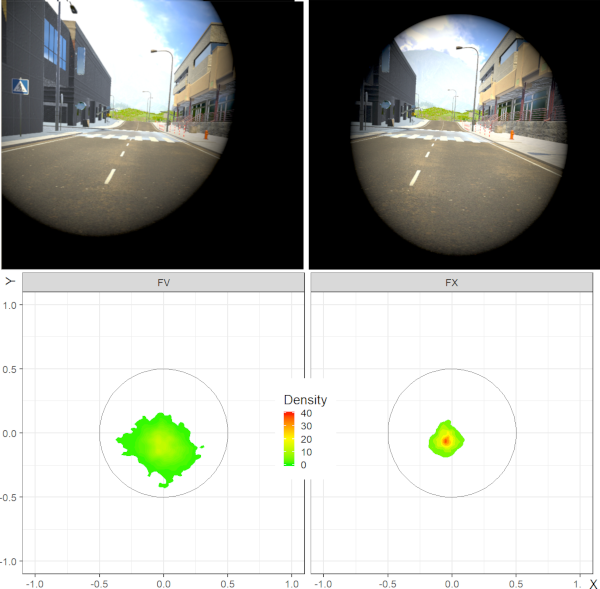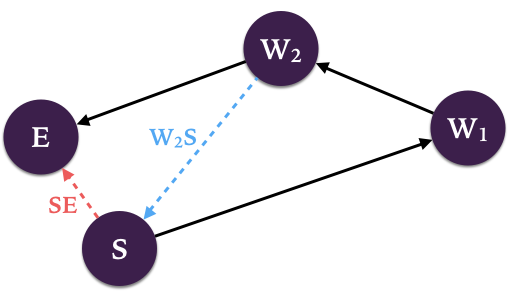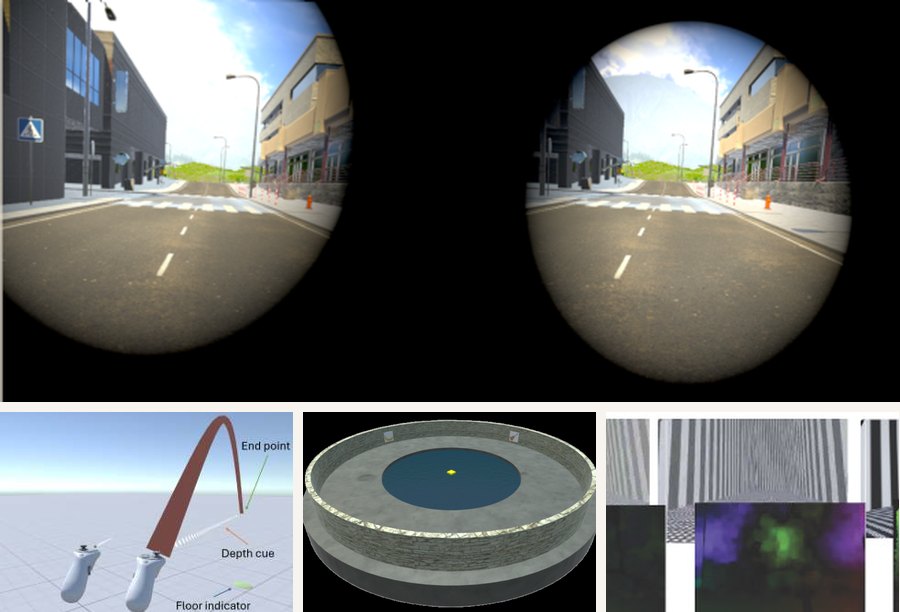
XR only reaches its potential if people can use it comfortably, for long periods, and in many different settings. We study how visual motion, field of view, locomotion design, and perceptual adaptation shape comfort and spatial understanding, and we design interaction techniques around those limits of human perception.
Recent result: our peripheral teleportation technique, which shows a rest frame in the user’s peripheral vision during locomotion, received a Best Paper Award at IEEE VR 2025 (Nie et al., 2025).
Research directions
- Cybersickness measurement and mitigation
- Field-of-view and rest-frame techniques
- Virtual locomotion and teleportation
- Spatial perception and navigation
- Adaptation to optic flow and immersive motion
- Designing and evaluating XR interaction techniques
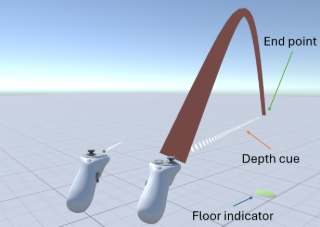
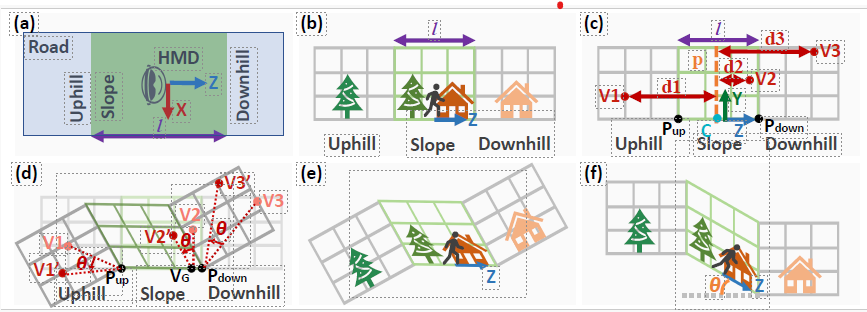
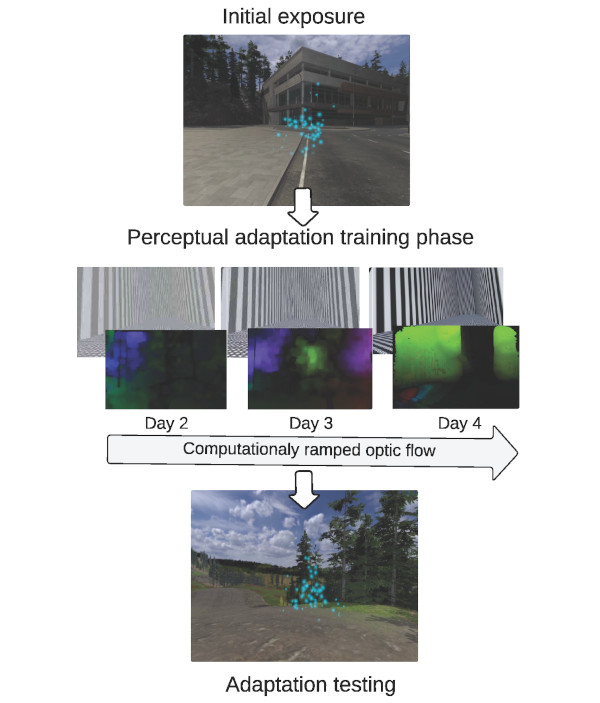
Our work includes foveated field-of-view restriction (Adhanom et al., 2020), spatial navigation and sex-related differences in VR sickness (Al Zayer et al., 2019), perceptual adaptation (Adhanom et al., 2022), space deformation during acceleration (Nie et al., 2023), peripheral teleportation (Nie et al., 2025), a meta-analysis of washout periods in cybersickness research (Nie et al., 2026), and lessons from evaluating an exploratory VR interaction technique (Demirseren et al., 2026).
The long-term goal is XR that stays comfortable and easy to use without compromising interaction, learning, or spatial performance.