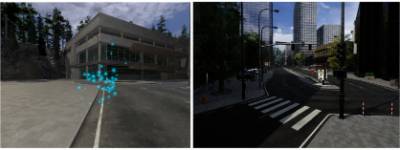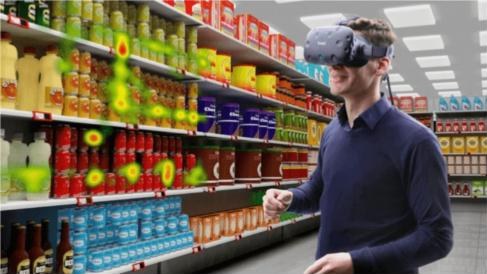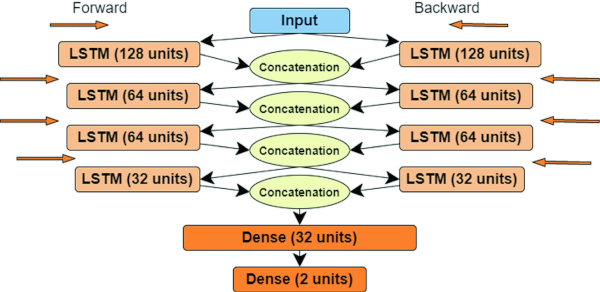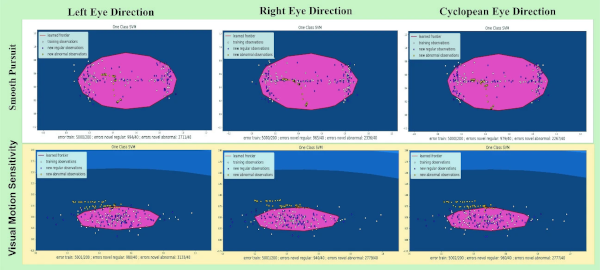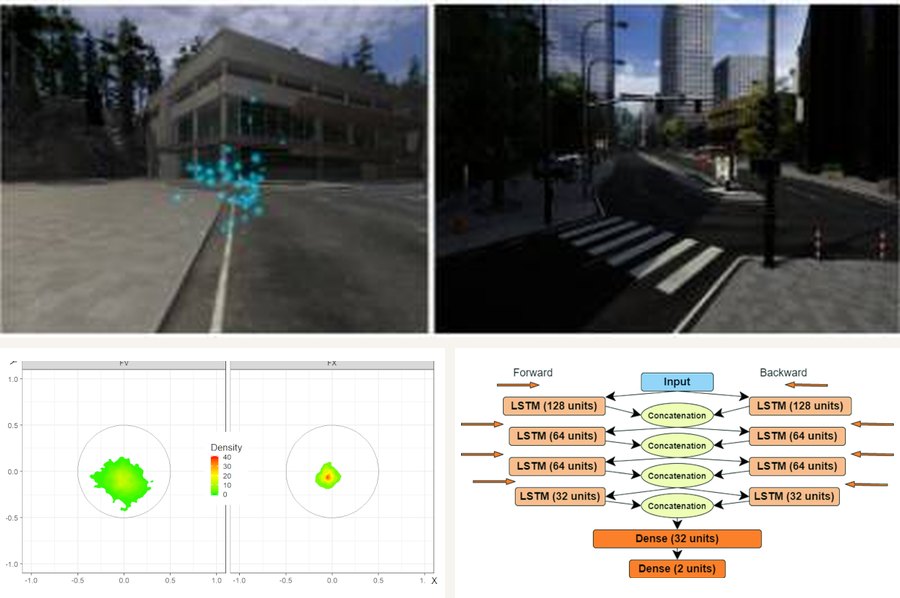
Headsets record where people look, how they move, and what they see, many times per second. We turn those signals into models of the user’s state, and we use the models to make XR systems that respond: adjusting comfort settings before sickness sets in, or flagging eye-movement patterns that matter for health.
Research directions
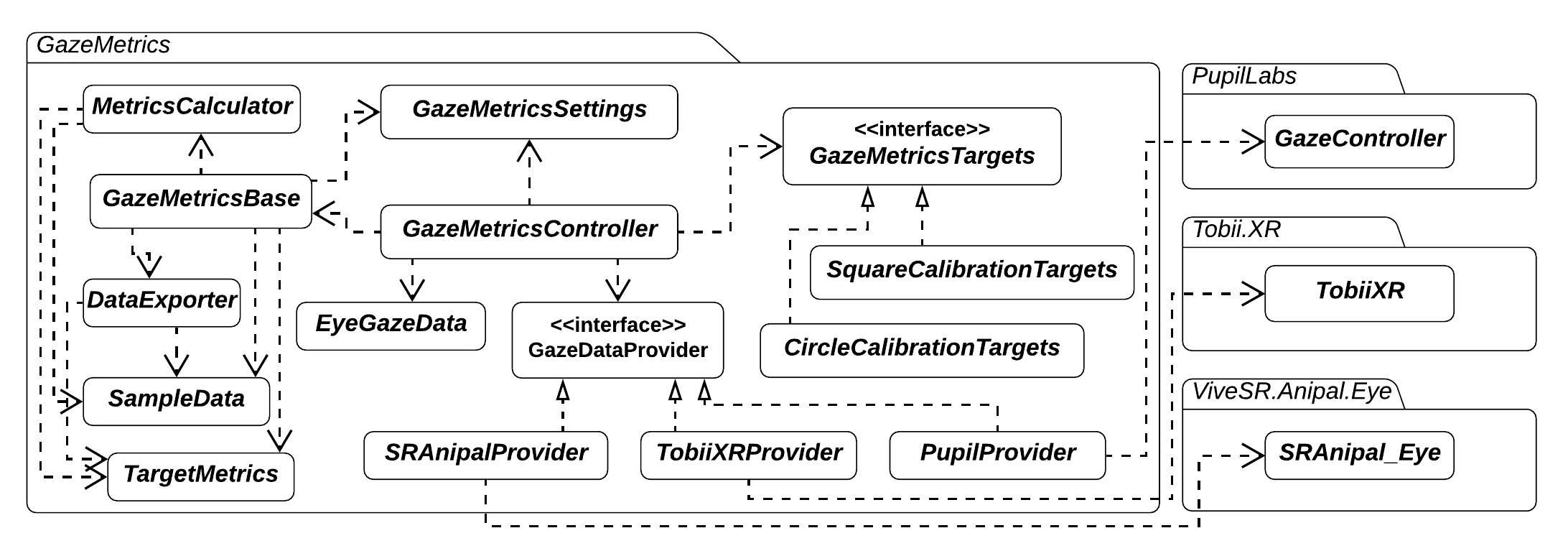
- Eye tracking data quality and gaze-based measures (Adhanom et al., 2020; Adhanom et al., 2023)
- Early gaze dynamics as predictors of cybersickness (Demirseren & Adhanom, 2026)
- Visual-motion and motion-energy models of discomfort (Rahman & Adhanom, 2026)
- Machine learning on VR eye-movement data for concussion detection (Sarker et al., 2022; Hossain et al., 2022)
- Adaptive, per-user cybersickness mitigation
Our adaptive mitigation work is supported by a Texas State Research Enhancement Program grant. The goal is XR that notices how each person is doing and adjusts to them, rather than applying one fixed setting to everyone.